


GMAT preparation starts with taking one important decision that is preparing smartly, not blindly. Maybe you are aspiring for an MBA and are confused about the preparation process, and that is exactly where this guide will take you step by step through the process of preparing for the GMAT in a straightforward manner, whether you’re starting stage for GMAT preparation or restarting after a gap, this complete GMAT preparation study plan will help you stay focused , increases your confidence level and speed and improve correctness.
What Is GMAT?

The Graduate Management Admission Test (GMAT), is a global entrance examination. The test is necessary for MBA and business courses. Universities use the test results to check the individual’s capability to think logically, analyze data, and solve real problems. GMAT is a test of logic, not memorization. A person needs to be logical, clear, and decisive. In contrast to the kind of questions that are memory-based.
GMAT checks:
- How clearly you think
- How quickly you analyse first
- How logically you decide
Why GMAT Matters to MBA Students
The GMAT is important for students who want to pursue an MBA. It helps business schools understand a student’s true potential. Since applicants come from different academic and work backgrounds, schools need a common way to judge their skills. The GMAT focuses on how a student thinks, not only on what they studied earlier.
A good GMAT score can make all the difference for students by improving their chances of admission into the top MBA colleges and opening up opportunities with scholarship access. More than just an exam, GMAT preparation builds strong thinking, time management, and decision-making skills in students to perform confidently throughout their MBA journey and into the future career.
GMAT plays a crucial role in MBA admissions because it:
- Is accepted by the top business schools in the world.
- Tests practical decision-making skills
- Strengthens your chances of admission & scholarships
- Prepares you for real business challenges
GMAT Preparation for Beginners: Exam Pattern & Syllabus Overview
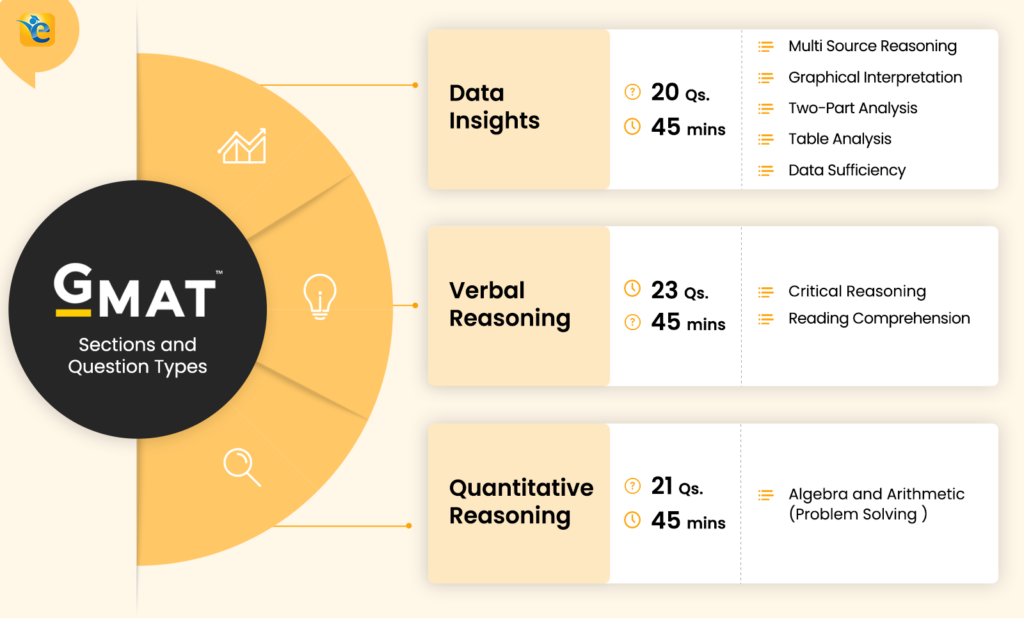
The GMAT exam follows a clear pattern that tests both thinking skills and time management, which is important for GMAT preparation for beginners. It mainly includes sections like Quantitative, Verbal, Data Insights, and Analytical Writing. Each section checks how well you understand concepts, solve problems, and analyze information. Knowing the exam pattern and syllabus early helps you plan your preparation with confidence and clarity.
- Quantitative Reasoning
- Verbal Reasoning
- Integrated Reasoning
- Analytical Writing Assessment (AWA)
1. Quantitative Reasoning
Quantitative Reasoning in the GMAT focuses on testing how well you understand basic math concepts and apply them to real problems. It includes topics like arithmetic, algebra, and problem-solving, rather than complex formulas. With regular practice, this section becomes more about clear thinking than speed. Staying calm and building strong fundamentals can make Quantitative Reasoning much easier to handle.
There is problem solving skills test in numbers.
Main topics :
- Arithmetic basics
- Algebra concepts
- Fundamentals of Geometry
- Word problems
- Ratios, percentages & averages
2. Verbal Reasoning
Verbal Reasoning in the GMAT checks how well you understand written information and logical arguments. It focuses on reading comprehension, sentence correction, and critical reasoning skills. More than vocabulary, this section tests clarity of thought and attention to detail. With regular reading and practice, Verbal Reasoning becomes easier and more manageable over time.
Verbal measures your ability to read, reason, and apply grammar rules.
Key areas:
- Reading Comprehension
- Critical Reasoning
- Sentence Correction
3.Integrated Reasoning
Integrated Reasoning tests how well you can understand and combine information from different sources like tables, graphs, and short passages. It focuses on analyzing data and making smart decisions rather than doing heavy calculations. This section reflects real-world business situations where multiple details must be considered together. With steady practice, Integrated Reasoning becomes more about logic and less about pressure.
This section checks how well you are able to analyze different sources of data.
Includes:
- Table Analysis
- Table GRAPH INTERPRET
- Multi-source reasoning
4. Analytical Writing Assessment (AWA)
It is all about understanding the reasoning behind an argument, identifying strengths or weaknesses, and communicating your reasoning in a clear and logical fashion.
GMAT Preparation Plan
A clear GMAT preparation plan helps beginners stay focused and avoid confusion. Instead of studying everything at once, it’s better to understand the syllabus and build the basics step by step. Regular practice, along with timed mock tests, improves both accuracy and confidence. With consistency and patience, even a beginner can make steady progress toward a good GMAT score.
Step 1: Assess Your Starting Point
In this step, you will take the first Starting with an Initial GMAT Mock Test.
This assists you:
- Understand your current score range
- Identify strong and weak areas
- Plan preparation realistically
Step 2: Build a Practical Study Plan
The study plan for GMAT preparation must include proper learning and practice activities.
Include:
- Daily concept study
- Timed practice questions
- Weekly revisions
- Conducting Regular mock tests
Recommended preparation duration: 3 to 6 months
Step 3: Focus on Concept Clarity
Instead of rushing:
- Understand why answers are correct
- Do shortcuts only after understanding the basics
- Practice smart, not excessive questions
Step 4: Practice Section-Wise Tests
Take separate tests for:
- Quantitative Reasoning
- Verbal Reasoning
- Integrated Reasoning
This will enhance the accuracy and level of confidence with which each issue can be determined.
GMAT Preparation for Beginners: Mock Test Strategy
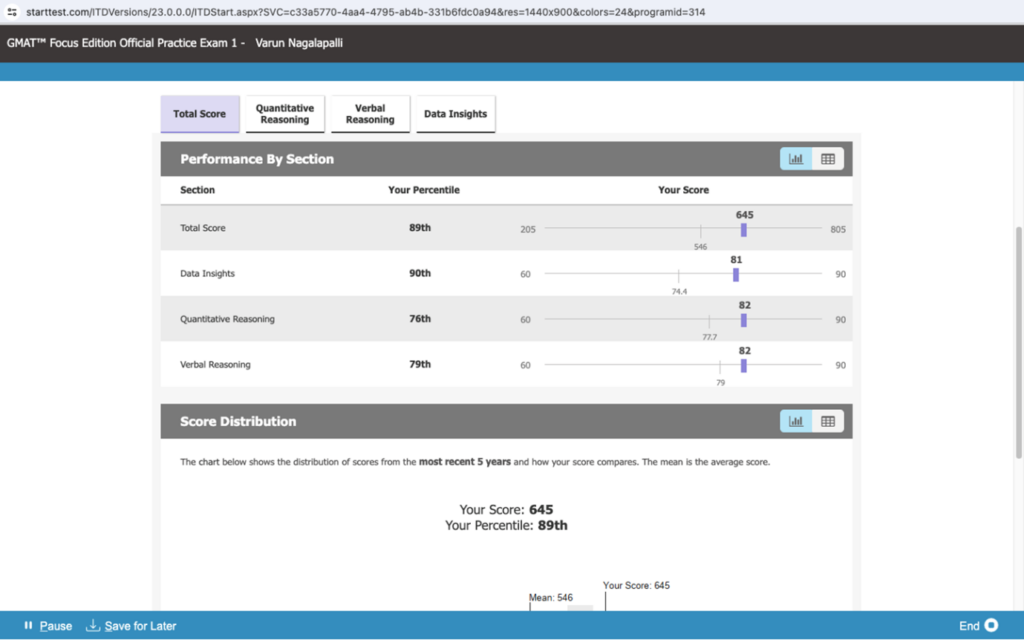
The GMAT mock test is very significant for GMAT preparation, as it allows the students to understand the pattern of the actual test before the exam takes place. With the help of the mock test, the students are able to develop the ability to work within the stipulated time and learn how to perform the test under pressure without any stress. Moreover, the test is helpful in finding out the weaknesses in the area of knowledge, and the students will be aware of exactly what they need to work on.
Benefits of mock tests:
- Better time management
- Minimise examination anxiety
- Keep track of score points
- Assist in making strategies for examination days
Mock test frequency tip:
- one mock per month could be the starting point
- As the exam date comes closer, increase practice to one mock test per week
Understanding Your GMAT Mock Test Results
Many students skip this step, but real improvement comes from analysing mock tests.
After every mock:
- Look at the questions you answered incorrectly
- Understand where you’re losing marks
- Identify questions where you spent extra time
- Revise those concepts as soon as possible
Reviewing mocks helps more than writing mock tests again and again
Helpful Resources for GMAT Preparation
For best results, combine:
- Official GMAT practice materials
- Concept-based videos
- Topic-wise practice questions
- Expert-guided mock tests
- Regular doubt-clearing discussions
Simple Daily GMAT Preparation Study Routine
A balanced study schedule can make the process of preparing for the GMAT examination much simpler and less frustrating. You can study a little each day, and the weekend provides a good opportunity to examine your progress and correct any mistakes.
Weekdays are dedicated to acquiring knowledge and skills:
- Master one or two concepts thoroughly.
- Practice questions on these topics
- Rapid revision of major points or errors of the day
The weekends are ideal for testing and practice:
- Attempt a full-length or a sectional test
- Review your performance closely
- Focus on subject areas where there were errors
Common Mistakes to Avoid During GMAT Preparation
- Skipping mock tests
- Studying without a plan
- Relying on memorisation
- Neglecting verbal practice
- Avoiding mock analysis
Final Advice for GMAT Preparation Success
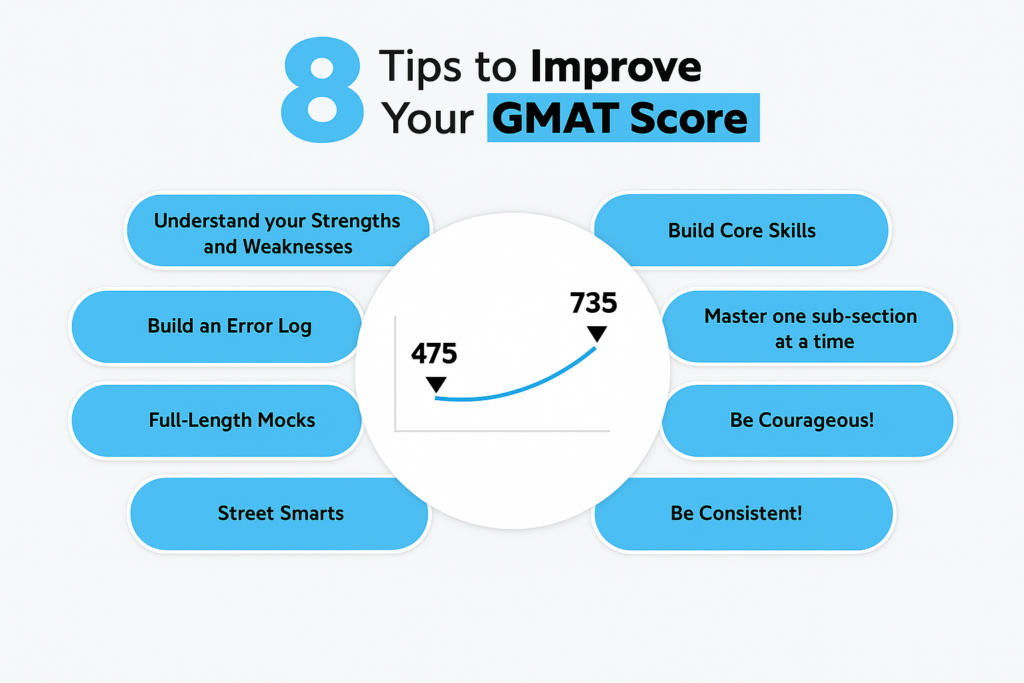
The final key to acing the GMAT is easy to follow just be consistent and do not worry about being flawless in your preparations. In fact, working on problems and achieving correct solutions will help develop timing as you continue to practice. Just be confident in what you are doing and realize that even when you’re not seeing improvements, all this hard work is paying off.
Conclusion
By following a structured study plan, taking mock tests regularly, and focusing on concept clarity, you’ll be well on your way to achieving a strong GMAT score. Keep a positive mindset, and remember preparation is key to success.
